
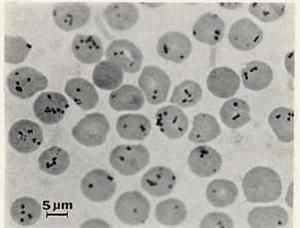
Sudden sensorineural hearing loss (SSNHL) has been associated with viral and bacterial infections, but it is not a recognized sequela of cat scratch disease.
5 patients with Bartonella cat scratch disease [CSD] and SSNHL. A temporal association between active CSD and SSNHL was evident in 4 patients. In contrast, patient 5 had hearing loss 1 year after the onset of a prolonged CSD, making causality less certain.
SSNHL is a recognized but uncommon sequela of viral and bacterial infections. Our literature search identified only 2 early reports predating the identification of B. henselae as the etiologic agent of CSD in 1992, suggesting this association may be underrecognized.
Rickettsia spp., known to be intracellular and endotheliotropic, as in B. henselae, have been associated with hearing loss, possibly mediated by immune-related vasculitic involvement of the cochlear or cochlear nerve vasculature.
Several observations in Bartonella infection provide biologic plausibility for the proposed mechanisms underlying SSNHL. In vitro studies show that B. henselae can infect feline microglial brain cells. Animal studies further indicate dissemination to the central nervous system (CNS); in a feline model, B. henselae was recovered from brain tissue after intradermal inoculation, consistent with the potential for neural involvement.
Clinical observations further support cranial nerve involvement and potential pathogenic mechanisms. B. henselae has been identified in human CNS tissue through autopsy, indicating direct invasion of neural structures. In addition, the endothelial tropism of B. henselae is evidenced by its association with vascular injury, including cerebral vasculitis, in human brain biopsy.
Moreover, retinal vascular occlusion and ischemic optic neuropathy in CSD patients suggest that microvascular injury might contribute to dysfunction of the cochlear or cochlear nerve, structures known to be highly vulnerable to ischemia.
Furthermore, a pediatric case of CSD-associated peripheral facial nerve palsy demonstrated a granulomatous lesion at the internal auditory meatus that resolved with treatment. Given the intimate anatomic proximity of cranial nerves VII and VIII within this compartment, a similar inflammatory lesion could affect the cochlear nerve, causing neuritis, compressive neuropathy, or both.
Our recent report of multiple cranial neuropathies in CSD, involving cranial nerve III, VI, VII, and IX, further supports the potential for B. henselae infection to involve cranial nerves and cause neuropathic manifestations. Immune-mediated inflammatory mechanisms could also contribute, although current evidence remains indirect.
Taken together, data support 3 non-mutually exclusive mechanisms for SSNHL in CSD:
- Vascular or vasculitic injury of the cochlea or cochlear nerve, analogous to rickettsial disease.
- Focal inflammatory involvement of the vestibulocochlear nerve within the internal auditory canal, potentially causing neuritis, compressive neuropathy, or both within this anatomically confined space.
- Immune-mediated cranial neuritis occurring in the context of systemic Bartonella infection.
Although definitive proof is lacking, the ability of B. henselae to involve neural and neurovascular components of the CNS, together with its recognized associations with cranial neuropathies, provides a biologically plausible explanation for transient nerve VIII dysfunction and sudden hearing loss.
The small number of cases and the heterogeneity of treatment preclude therapeutic conclusions. Of note, none of the patients received azithromycin, excluding azithromycin-associated SSNHL as a confounder.
Reference
Yakubovsky M, Katzir M, Atamna A, Yelin D, Landes M, Weber G, Ephros M, Giladi M. Cat-Scratch Disease Associated with Acute Hearing Loss, Israel. Emerg Infect Dis. 2026 Jul;32(7):1155-1158. doi: 10.3201/eid3207.260592. PMID: 42366106; PMCID: PMC13322435.