
Note: Reading this article assumes you have read the informed consent on this site. Never self-treat based on this article. Always consult licensed medical and mental health practitioners.
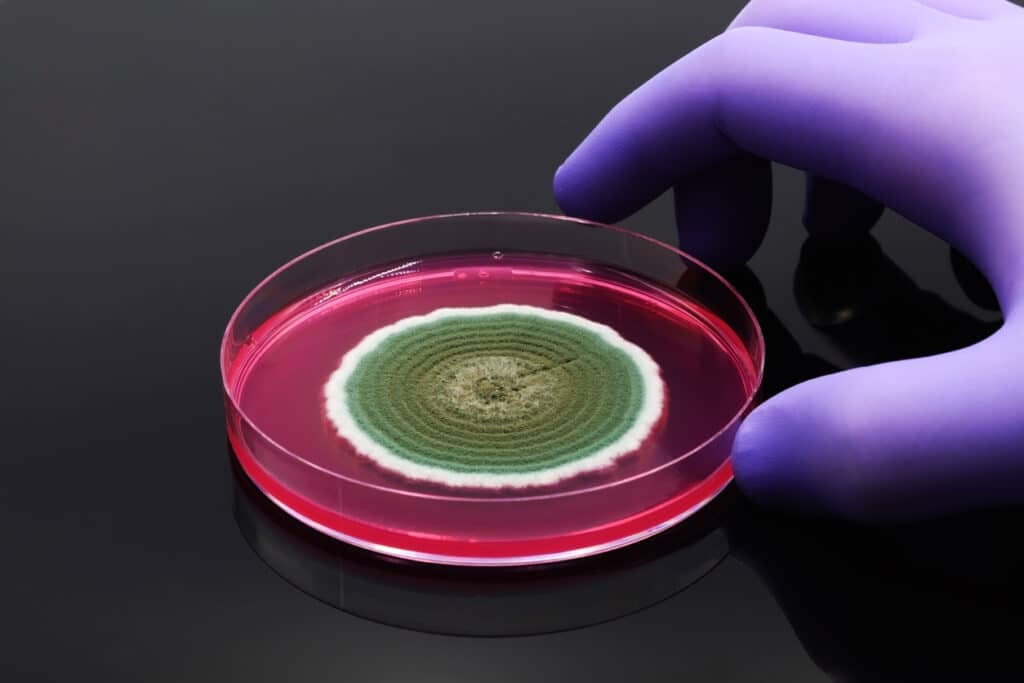
Comparing Mold Toxin BindersMany thinking patients who learn about biotoxins, and especially mold toxins wonder what is the best binder. After modest research they become aware of these binders: cholestyramine, activated carbon, bentonite and celite. So how do they compare? In one study they were compared in their ability to bind fumonisin. Fumonisin B1 is the most prevalent member of a family of toxins produced by several species of Fusarium molds, which occur mainly in different varieties of corn. Fumonisin is well known to cause many insults to mammals. For example, induced cancers in lab animals have included: liver adenomas and carcinomas, skin cancer, kidney tubule carcinomas, Simply, Fumonisin B1 is highly toxic to both livers and kidneys. It kills cells. It induces DNA damage. It undermines key reactions in lab animals and humans: sphingolipid, phospholipid and fatty acid metabolism is disturbed in and outside the body in all animals and in a single human study. Disruption of sphingolipids by fumonisin B1 causes cell death. Comparing the Mold Toxin Binders
Cholestyramine was tested in lab rats fed food with fumonisin toxins. Some of the rats had a diet with 20-mg/g cholestyramine. The addition of cholestyramine to the toxin-contaminated diets consistently reduced the effect of fumonisin toxins as tested by their urinary excretion tests. My Best Wish For Your Health, Dr. J Sources: Solfrizzo M, Visconti A, Avantaggiato G, Torres A, Chulze S. In vitro and in vivo studies to assess the effectiveness of cholestyramine as a binding agent for fumonisins. Mycopathologia. 2001;151:147-53. www.inchem.org/documents/iarc/vol82/82-05.html |